
January 6, 2026
A New Year, a Healthier Home: Maintenance Steps That Save Money All Year
In short: most major home repairs start as small, cheap issues that got ignored. Five tasks knock out the worst of them each January: flush the water heater, check gutters and drainage, replace HVAC filters, test smoke and CO detectors, and walk the exterior looking for small red flags. Each one takes minutes or costs little compared with the repair it prevents.
The New Year is a natural reset, a chance to refresh routines and set yourself up for a smoother year ahead. Your home deserves the same fresh start. A little proactive maintenance in January prevents expensive repairs later and helps the house run more efficiently through every season.
Here are the maintenance steps we recommend to start the year, along with what waiting too long actually costs.
1. Flush your water heater (tankless or traditional)
Mineral buildup in both tank and tankless systems is common in the Northwest. Over time it slows the unit, reduces hot water output, and forces the system to work harder. Ignored long enough, buildup causes overheating, error codes, higher utility bills, and premature failure.
Cost if neglected: a replacement tankless water heater can cost $2,500–$5,000+, compared with a simple annual flush that runs under a few hundred dollars. Our plumbing and water heater service handles the flush start to finish.
2. Check gutters, downspouts, and drainage
Winter weather loosens hardware, shifts downspouts, and traps debris. When water can’t drain properly, it ends up where you don’t want it: ice dams, roof leaks, foundation damage, rotten fascia, and interior moisture problems all trace back to blocked drainage.
Cost if neglected: a small gutter repair is inexpensive, but water intrusion repairs can easily reach $3,000–$15,000 depending on the damage. A gutter cleaning visit each fall and spring is the cheap version of that bill.
3. Replace HVAC filters and check airflow
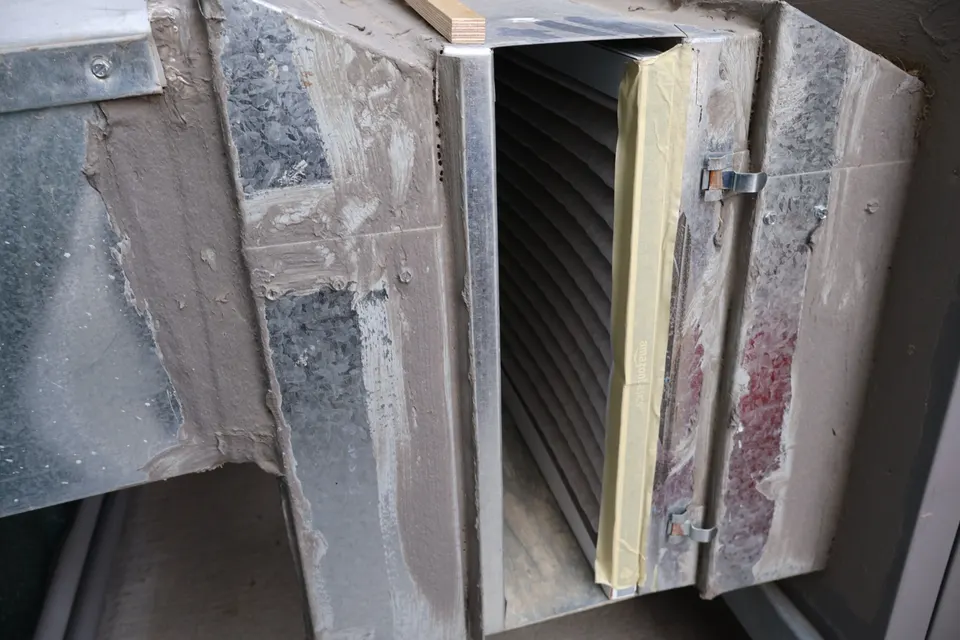
Fresh filters improve efficiency and help the system run smoothly, especially through the cold months. A clogged filter makes the HVAC system work harder and run hotter, which burns out components before their time.
Cost if neglected: a new filter runs $20–$40. A new blower motor or coil runs $800–$1,800. A full HVAC system replacement runs $7,000–$12,000+. A filter change every 60–90 days is cheap insurance, and it’s a standard item on our HVAC maintenance visits.
4. Inspect smoke and CO detectors
This takes five minutes and can save lives. If your detectors are old, chirping, or inconsistent, replace them. Most units only last 8 to 10 years.
Cost if neglected: the consequences here aren’t financial. They’re safety.
5. Walk your exterior for small red flags
A slow lap around the house can reveal loose siding, drafty windows, cracked trim, damaged vents, sagging fences, and early signs of pests or moisture.
Cost if neglected: a $40 tube of caulk can prevent a $6,000 siding replacement. A $100 fence repair can prevent a $2,500 full rebuild. Small fixes now mean fewer surprises later.
Start the year with less stress and fewer bills
A well-maintained home costs far less to own. Prevention is always cheaper than repair, especially after long winters, heavy winds, or a stretch of deferred maintenance. You don’t have to do everything at once. Knocking out one or two tasks a month adds up to real savings over the year.
Questions homeowners ask
How often should I flush my water heater?
Once a year for most homes. If you have hard water, every six to nine months is safer. Temperature swings, noisy operation, or error codes on a tankless unit usually mean a flush is overdue.
How often should HVAC filters be changed?
Every 60 to 90 days for a standard pleated filter, more often with pets or during heavy-use months. A dirty filter restricts airflow, which makes the system run longer and hotter and shortens the life of the blower motor and other components.
When do smoke and CO detectors need replacing?
Most detectors last 8 to 10 years; the manufacture date is printed on the back. Replace any unit that chirps with fresh batteries, fails its test button, or has passed its date. Detectors in every bedroom and on every level is the standard we check against.
Can Rim Rock handle all of this in one visit?
Yes. Our seasonal visits bundle the water heater flush, gutter and drainage check, filter changes, detector tests, and an exterior walkthrough into one appointment. Members on our plans get these visits scheduled automatically along with a member discount on repairs and seasonal packages.
If you’d rather hand the whole checklist to us, schedule a walkthrough and we’ll take it from there.