
Dryer Vent & Appliance Cleaning
Dryer vent cleaning is the fire-safety chore that hides behind the dryer, out of sight until dry times double. Rim Rock Property Plus cleans dryer vents, exhaust fans, and major appliances for homes across North Spokane County, from Spokane's north side up through Deer Park and Clayton. One visit covers the buildup you cannot see in the appliances you use every day.
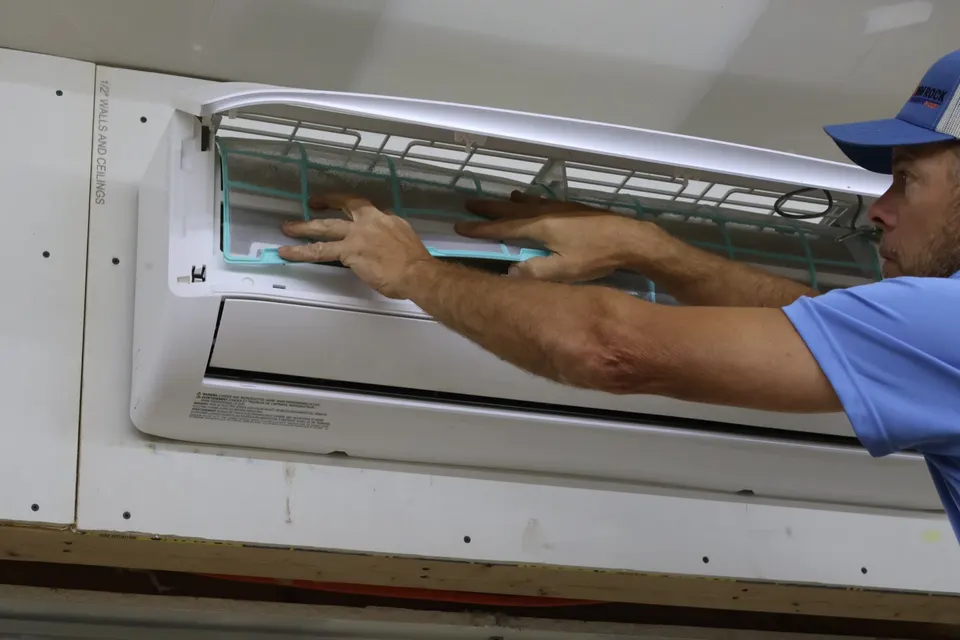
Dryer vent cleaning, from drum to termination
A dryer vent clog rarely sits right behind the machine. Lint builds along the whole run, packs into elbows, and mats at the exterior termination where the flap traps it. We clean the full run, from the dryer connection to the outside wall or roof cap, then check airflow to confirm the system actually moves air again. The termination gets its own inspection: a stuck flap, a crushed section of flex duct, or a screen packed with lint will choke a dryer as surely as an internal clog. You will notice the difference in dry times, and the dryer will notice it in lifespan. A machine pushing against a blocked vent runs hotter and longer on every load. Most households are due about once a year. Long vent runs and big laundry loads shorten that interval.
Kitchen, bath, and appliance deep cleaning
The same visit can cover the rest of the buildup around the house. Range hoods collect grease in the filter and the fan housing, which cuts airflow and adds fuel above the stove; we vacuum and clean both. Bathroom exhaust fans clog with dust until they spin without actually moving air, and a fan that cannot clear shower steam feeds mildew all winter. On the appliance side, we deep-clean ovens, refrigerators, dishwashers, and laundry machines, clearing the buildup that shortens their life and drags down performance. Garbage disposals get cleaned, deodorized, and checked over, including the mounting, drain connections, and how the motor sounds under load. None of this is glamorous work. It is the difference between appliances that quietly last and appliances that fail young, and it is much easier to keep up than to catch up.
Closed-up houses and long heating seasons
Ventilation works hardest here exactly when the house is sealed tightest. From November through March, windows stay shut and the bath fans, range hood, and dryer vent do all the air-moving for the whole house. Cold outside air also makes vent runs condense: moisture inside a cool duct makes lint stick and mat instead of blowing through, so winter is when a marginal dryer vent becomes a blocked one. Exterior terminations take their own beating. Flaps freeze, snow piles against low wall caps, and birds and wasps find uncapped vents in spring. A fall cleaning sets the system up for the season it will work hardest, and a quick termination check after winter catches whatever the season left behind. Rural homes north of Spokane, with long duct runs to reach an outside wall, are due more often than the once-a-year rule of thumb.
Why homeowners hand this to us
- Lower fire risk from a clean, clear dryer vent run
- Shorter dry times and less wear on the dryer
- Range hoods and bath fans that actually move air again
- Ovens, refrigerators, dishwashers, and laundry units deep-cleaned
- Disposal cleaned, deodorized, and function-checked
- Exterior terminations inspected and cleared
How it goes
- 1
Airflow and buildup check
We look at how the dryer and fans are performing now, then inspect the vent runs and terminations.
- 2
Full vent cleaning
The dryer run gets cleaned end to end, from the machine connection to the exterior cap, elbows included.
- 3
Appliance deep clean
Ovens, refrigerators, dishwashers, disposals, hoods, and fans get cleaned per the list we agreed on.
- 4
Final check and report
We confirm airflow, reconnect everything, and note anything worth watching, like a crushed duct or aging flex line.
What does Dryer Vent & Appliances cost?
The cost of dryer vent and appliance cleaning tracks a few things: the length and route of the vent run, how long it has been since the last cleaning, and how many appliances you add to the visit. A short straight run to an outside wall is quick work; a long run through the attic to a roof cap takes more time, and a heavily matted run takes more still. Bundling appliance deep cleans into the same visit costs less than booking them separately. Members get a member discount on repairs and seasonal packages.
For members
Home Care members get an annual dryer vent reminder timed for fall, before the heavy heating season. Summit Care members have it built in; the seasonal visits we schedule cover air systems, so the vent and fans get handled without anyone booking a thing. Priority scheduling applies to both plans.
Compare Home Care and Summit Care →Questions homeowners ask
How often should a dryer vent be cleaned?
Once a year for most households. Big families running daily loads, homes with long vent runs to a roof cap, and dryers that already show slow dry times need it more often. If the run has never been cleaned, do not wait for a schedule; book it now.
How do I know my dryer vent is clogged?
Loads take two cycles, the dryer and the laundry room run hot, clothes come out damp, or you smell a burnt-lint odor while it runs. Outside, weak airflow at the termination flap during a cycle is the giveaway. Any one of those is reason to have the run cleaned.
Do you clean bathroom exhaust fans too?
Yes. Bath fans, kitchen range hoods, and whole-house ventilation exhausts are all part of the service. Dust chokes bath fans until they hum without moving air, which matters in winter when the fan is the only thing clearing shower moisture. We vacuum the housing and restore airflow.
Do I need to move my dryer before you arrive?
No. We pull the machine, disconnect and clean the run, and put everything back the way it was. Clearing a path to the laundry area and knowing where the vent exits the house helps, but the lifting and reconnecting is our job, including the flex connection behind the dryer.